
The Start of a Journey
This marks my first-ever blog, where I hope to bring you along on my “death to the front lawn” adventure right in the heart of Aylmer. I must admit that I dislike writing—there, I said it!—I think my mind is full of great thoughts that others could relate to. However, as soon as I try to flesh them out on paper, they often come out jumbled and lacking any sensible order. I suspect this is partly due to my more analytical mind; numbers, lists, and “order” are my preferences. I say “order” loosely, as I am also a champion procrastinator. My desire for structure is frequently thwarted by my habit of waiting until the last minute to tackle self-made messes, whether physical or mental.
Embarking on the Native Garden Project
Fast forward to this year, when I decided to create a native habitat refuge in my front yard. Over the winter, I set myself the goal of converting at least one-third of my front yard in 2026 into a pollinator garden. I want to help create a habitat for native species, spark conversation in my neighbourhood by showcasing how beautiful and diverse native plants are, and perhaps inspire others to create their own pollinator patches. I also firmly believe in learning by doing, mistakes and all.

Preparation and Planning
Photos have been taken of the site, native seeds have been winter sown, a rough drawing is in place, natural hardscaping materials are on hand, tools are ready, and manpower is on standby—although the in-house manpower is not yet aware of their involvement, which is another story altogether.
Adding a Rain Garden Element
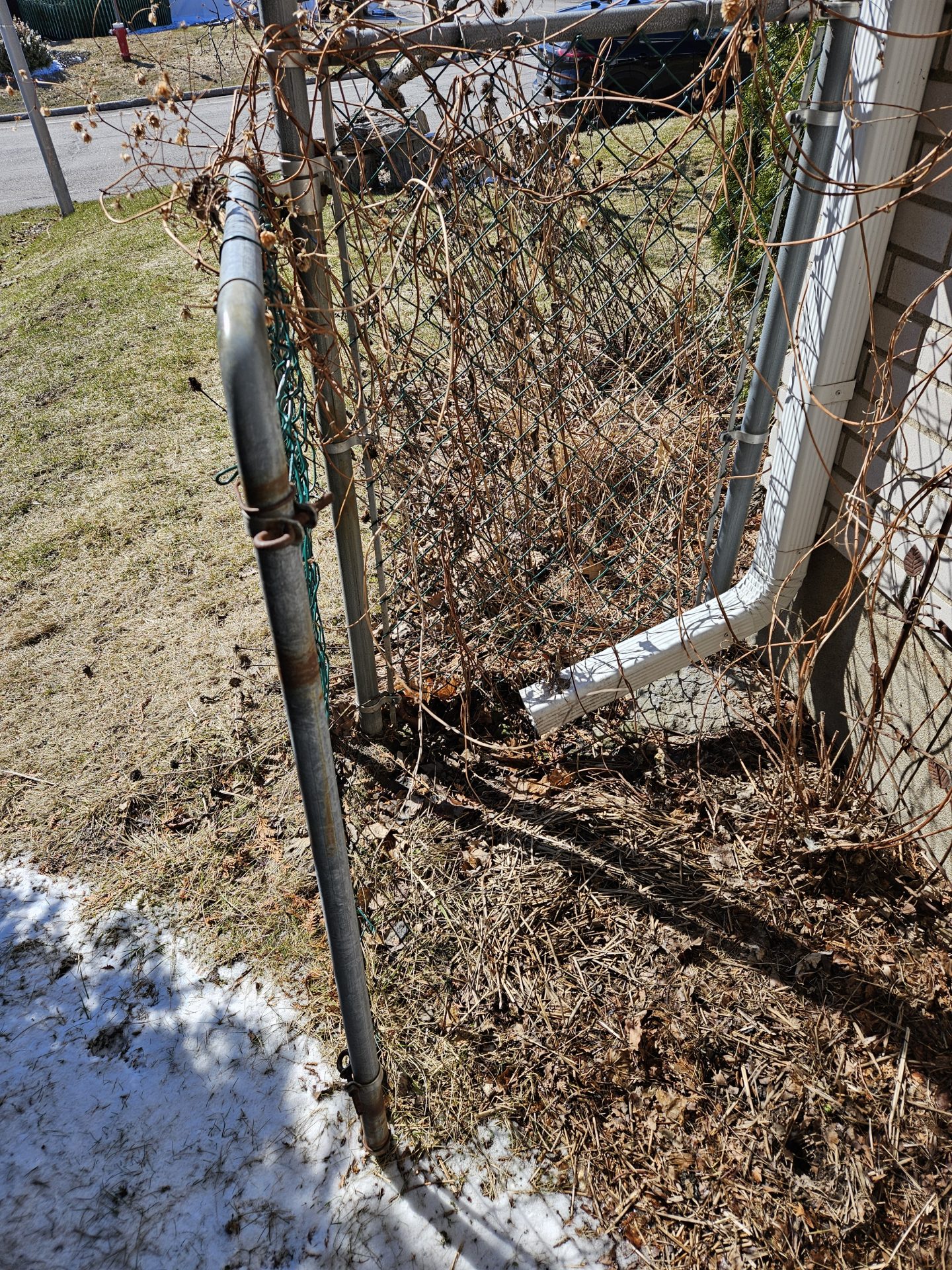
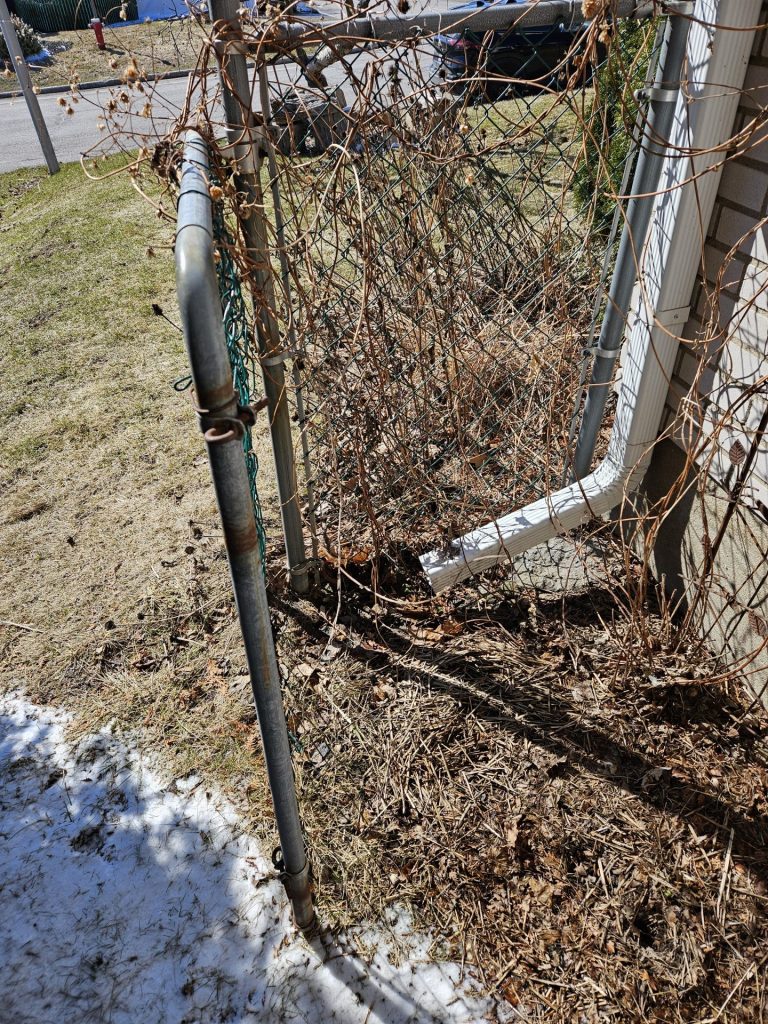
To further enhance my pollinator habitat, I decided to include a rain garden, especially as all Canopée Localeaf members will have garden certification and plan to offer a rain garden building course. I have a downspout in the front of my house that needs urgent redirection, draining about one-third of my rooftop. Two birds, one stone!
Facing Challenges and Learning
With the rain garden course completed, I began measuring and sketching out where it would be situated, downstream from the water discharge. It turns out my yard slopes downward, west, away from the house, which is good, but it also slopes south, down a steep incline and into the neighbour’s yard and driveway. There’s also a productive fifteen-year-old apple tree right in the middle of the most logical area for the rain garden. Skirting around the apple tree’s drip line and avoiding flooding the neighbour’s driveway will require slightly more than basic trenching and swale-building. Moving the downspout was also limited; this probably would involve cutting the chain link fence, which I do find to be quite an eyesore. At this point, I went from full force to full stop. Frustration took over as I convinced myself I couldn’t solve the problem with an easy solution. So, I decided to let the rain garden idea percolate.

Reflecting on the Process
This is where my dislike of writing has taken a turn. Through sitting down and reflecting on my milestones thus far, writing out my frustrations led me to remind myself that gardening is my restful haven—a break from devices and social interactions—and fulfils my need to be outside and enjoy nature. It shouldn’t be overly stressful. Plans and deadlines are helpful, but only if they are realistic. Instead of trying to solve the problem instantly, I am choosing to let things unfold a bit more organically. On the next inspiring, unhurried day, I plan to go out in the yard with my line level and string to mark out some optional pathways, and take joy in the process itself, rather than just focusing on making it to the finish line.


Leave a Reply